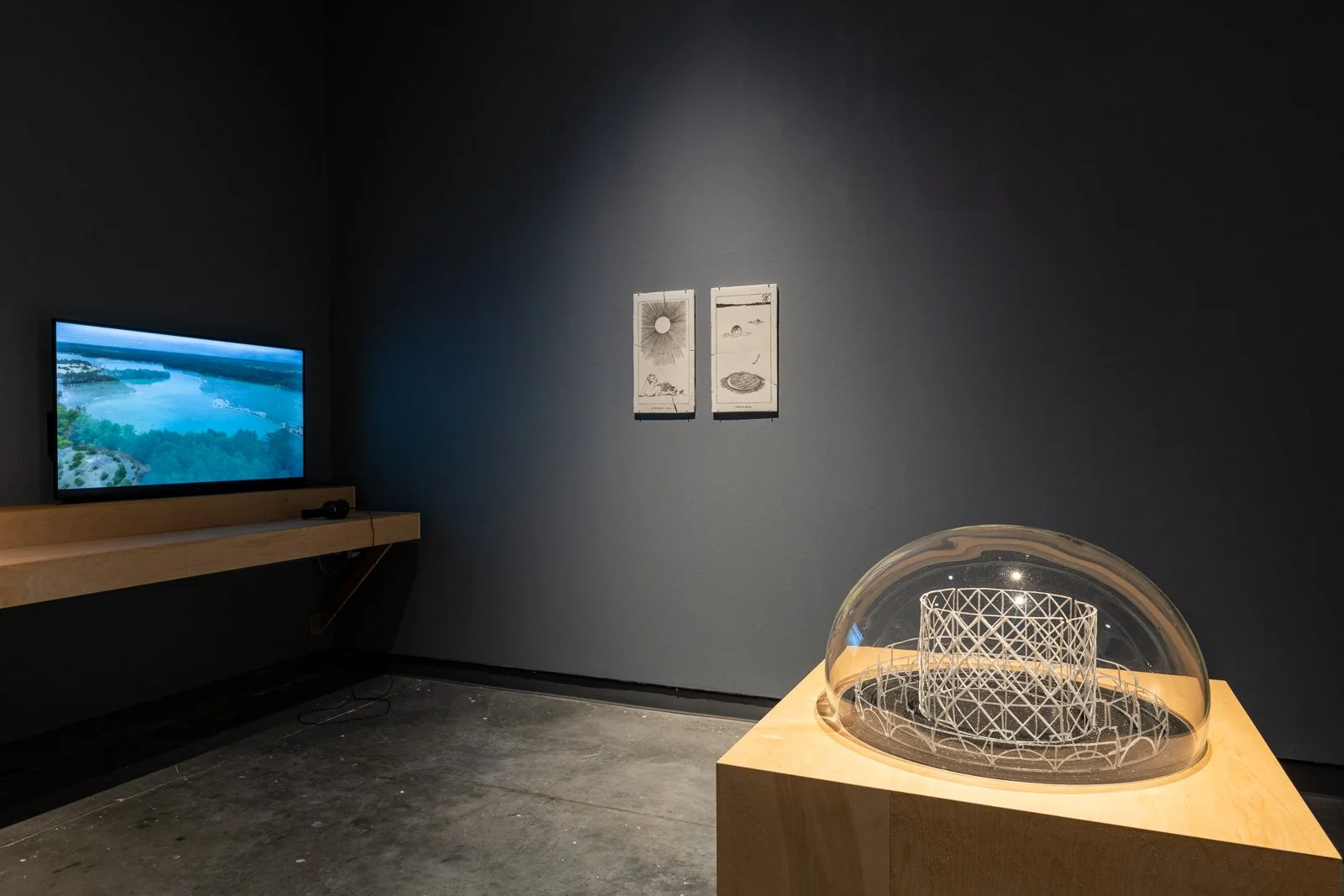
End-of-Days, 2022
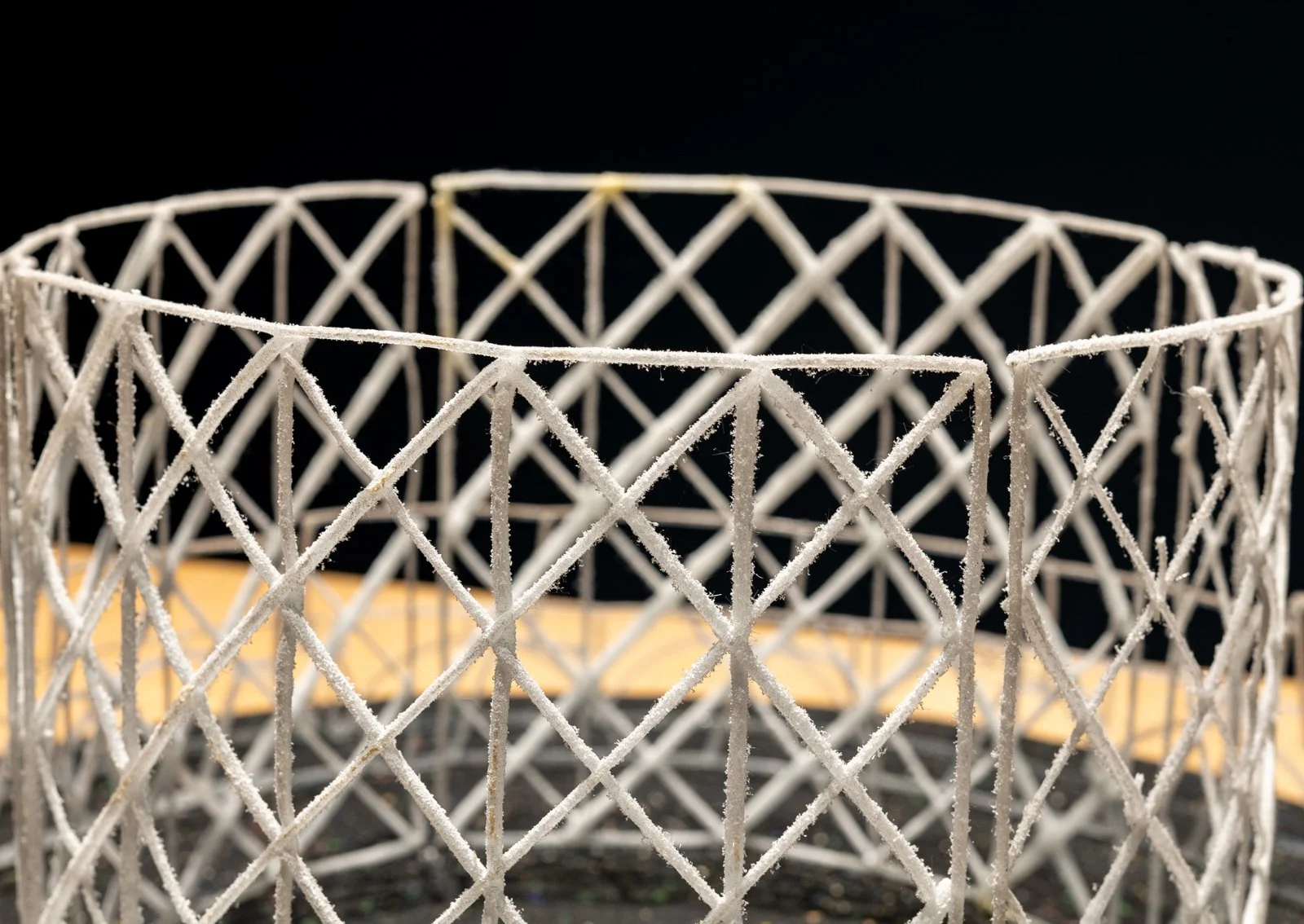
Shaped and Fused Unstable Glass, Rubber, Blown Glass, Digital Video, Pate de Verre, LED Lights, Wood

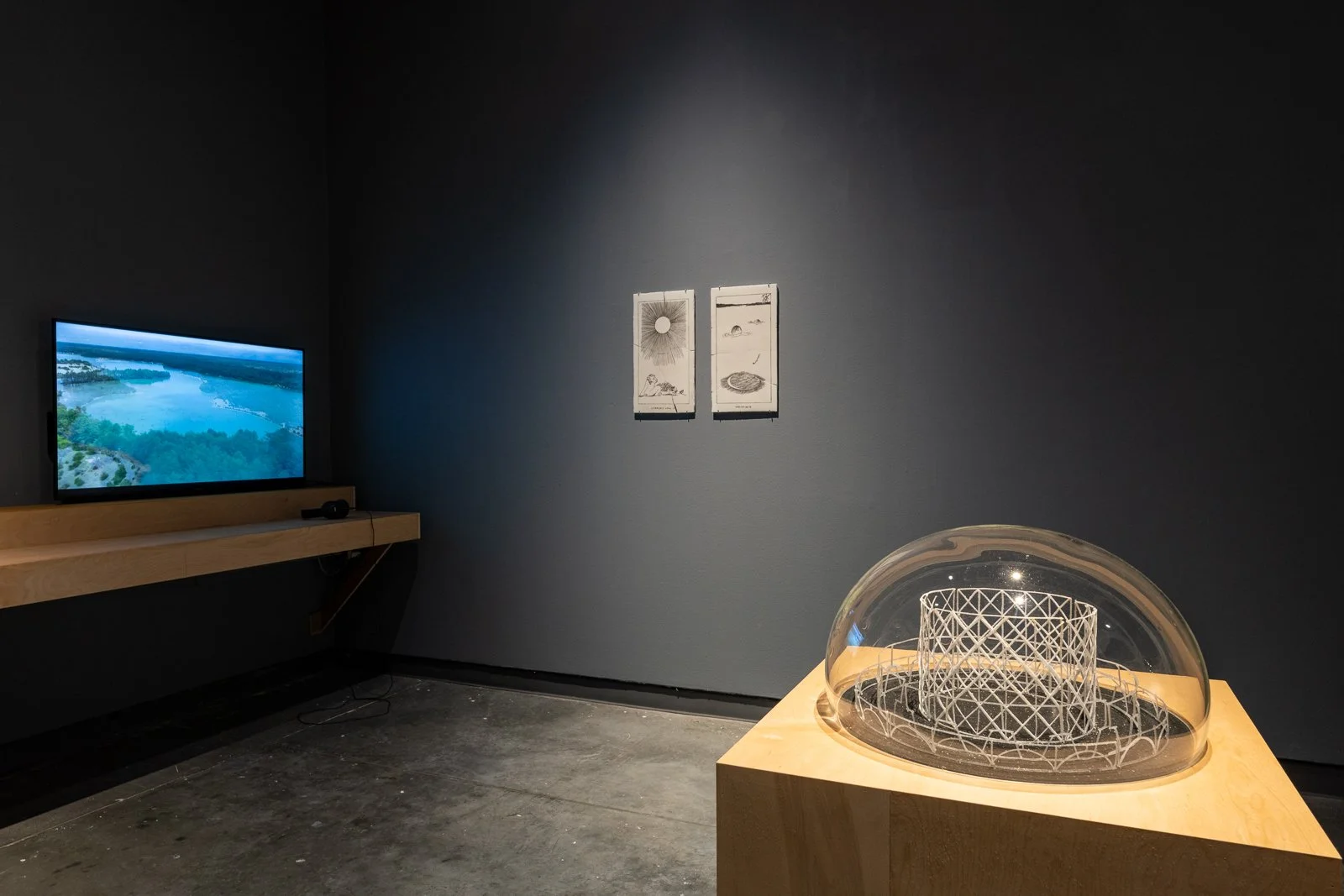
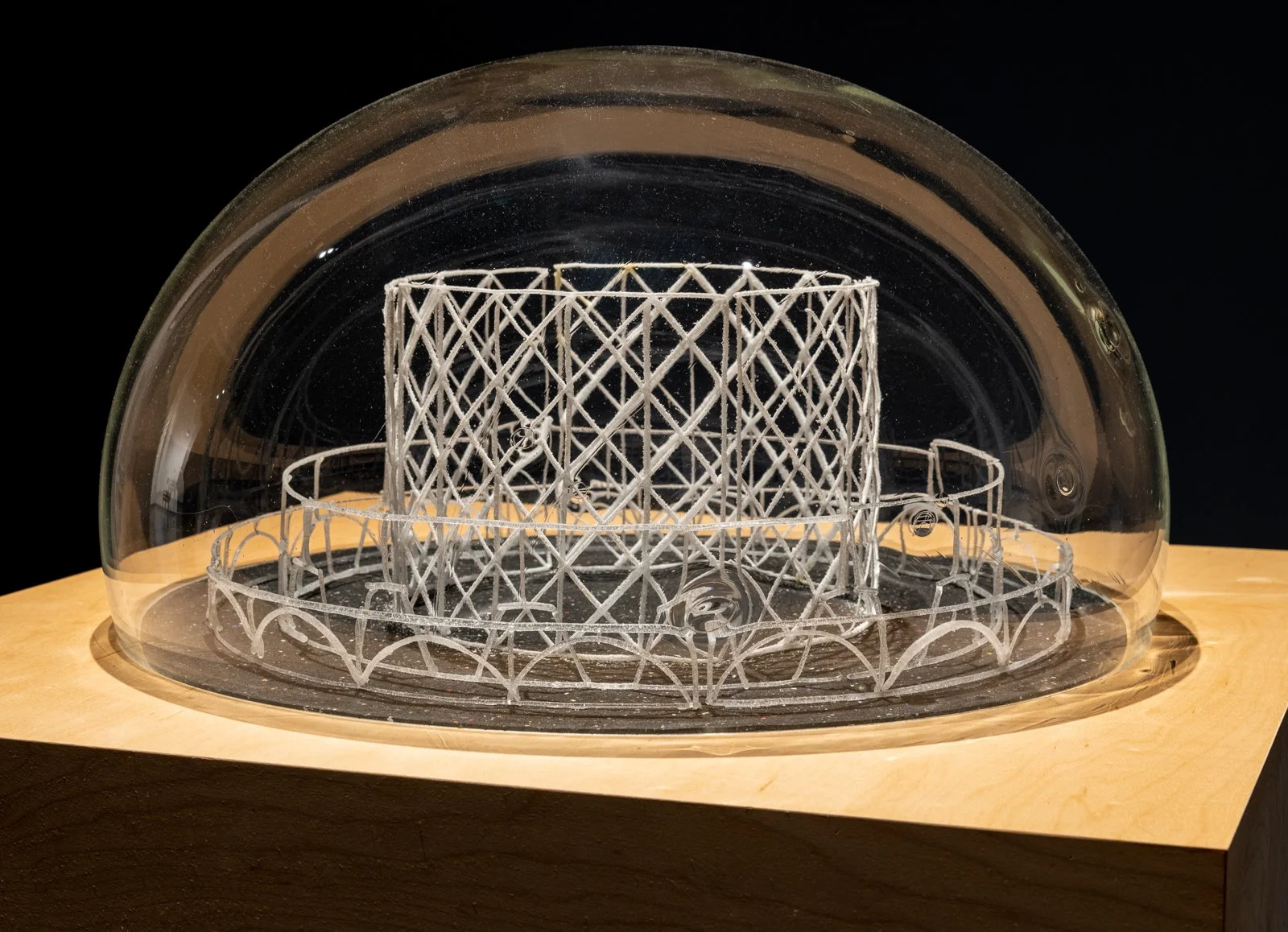
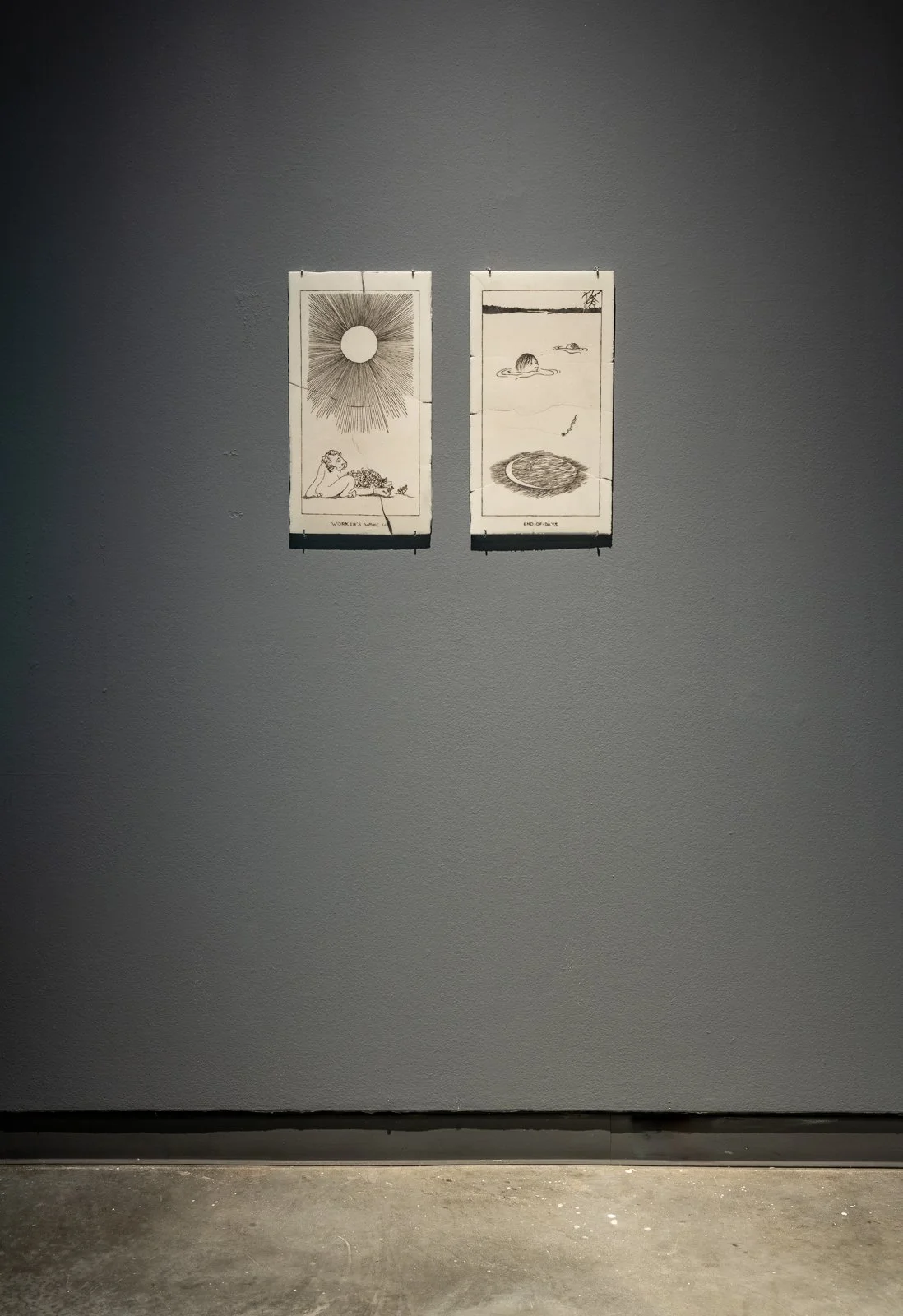
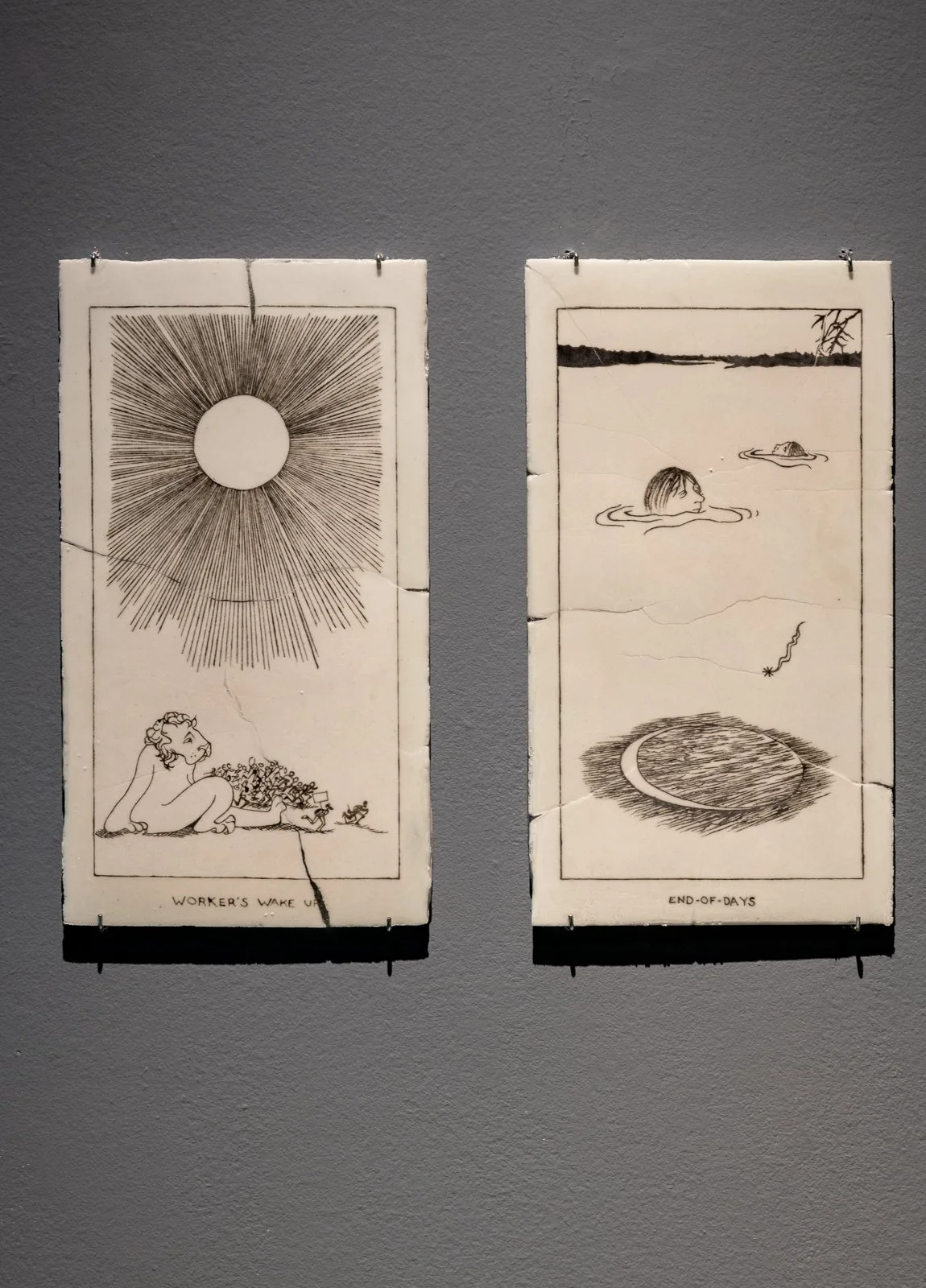
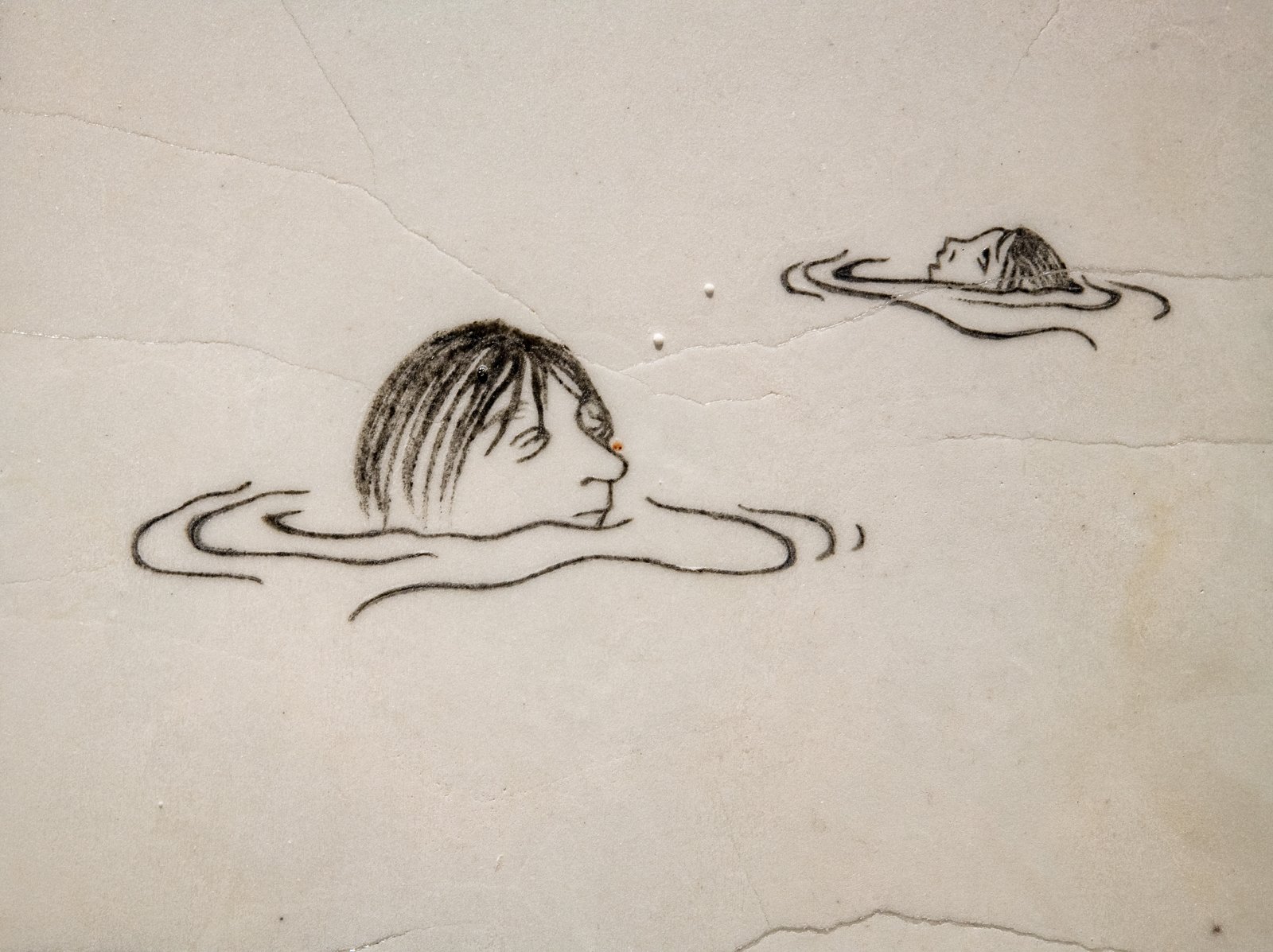

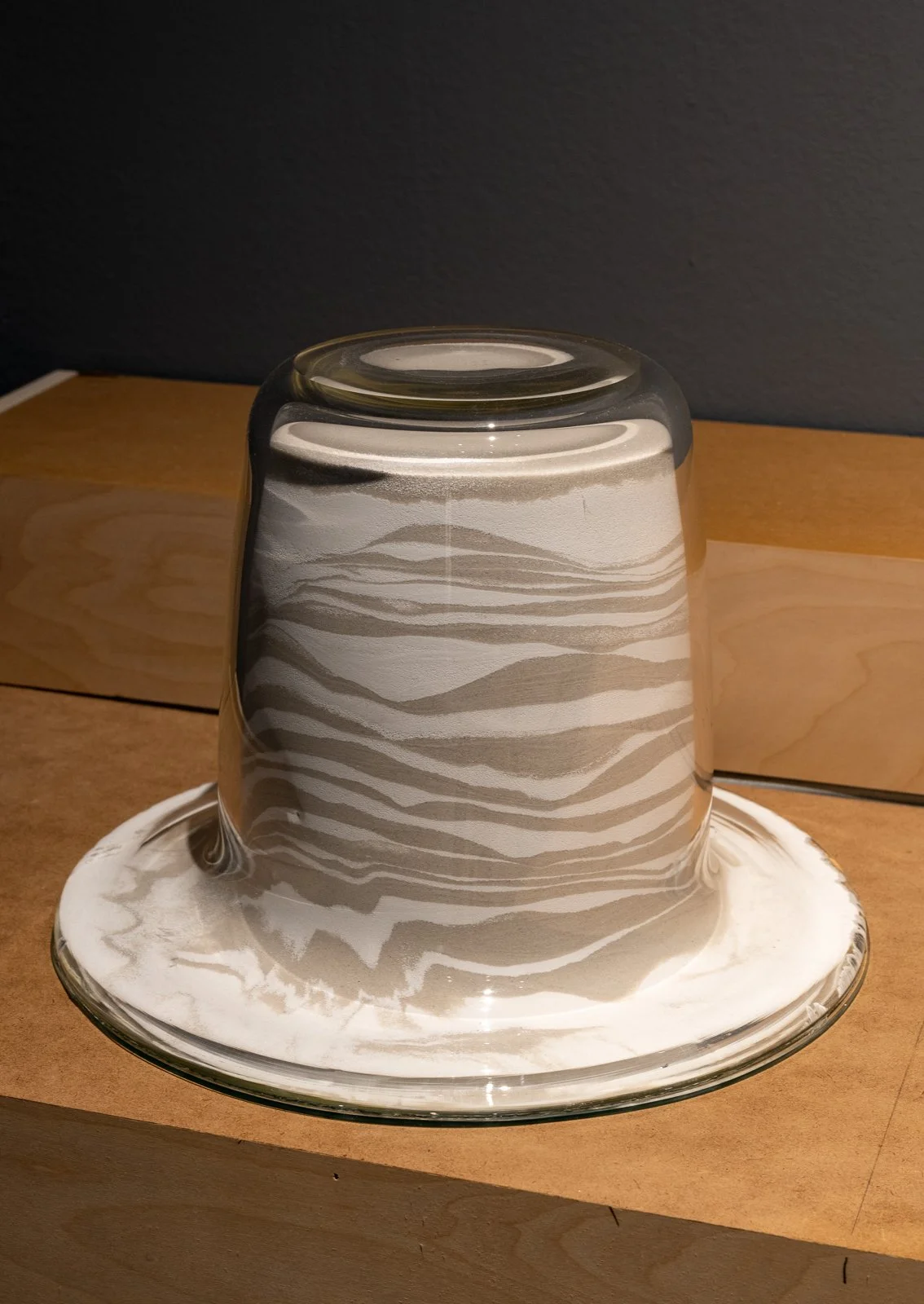

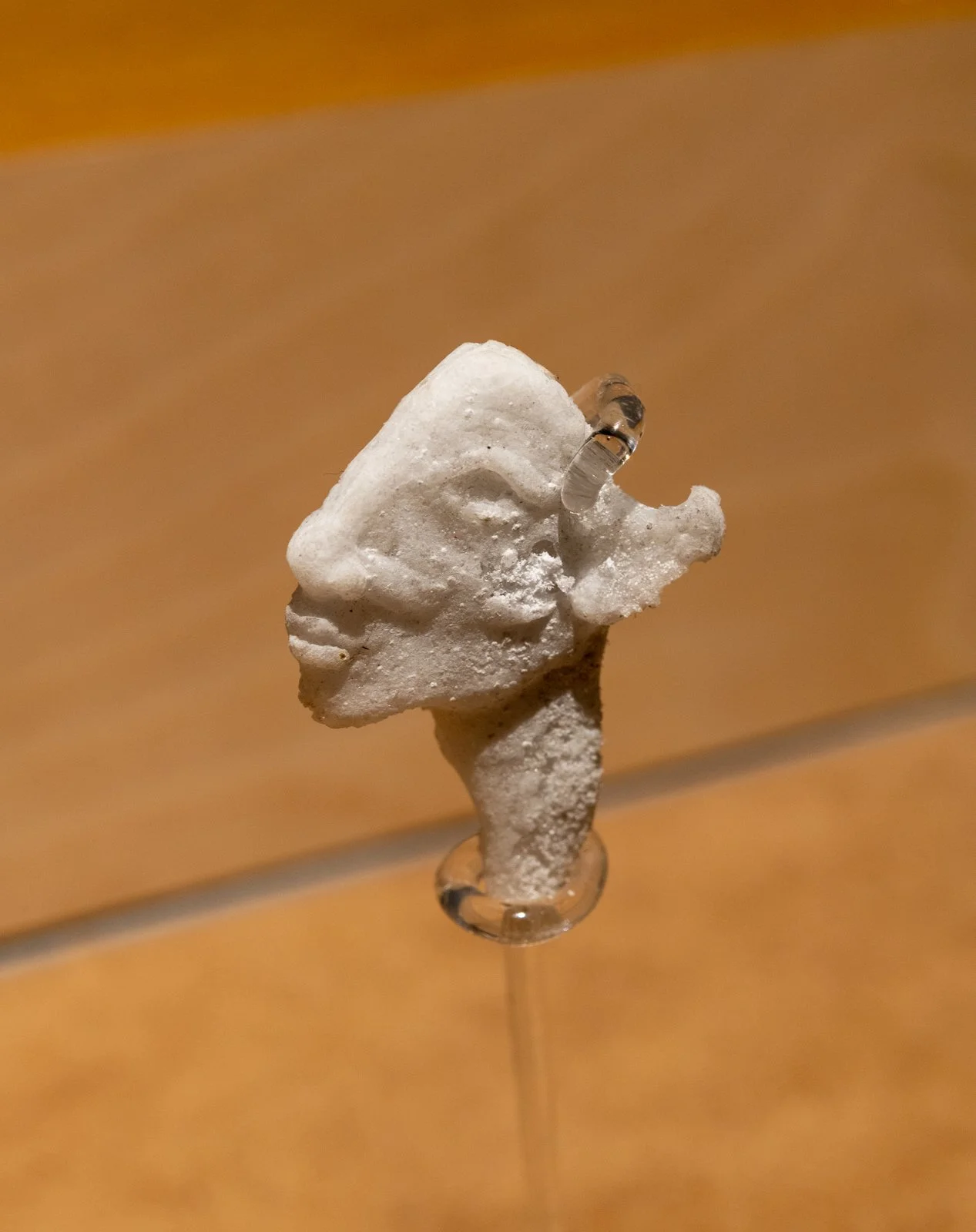
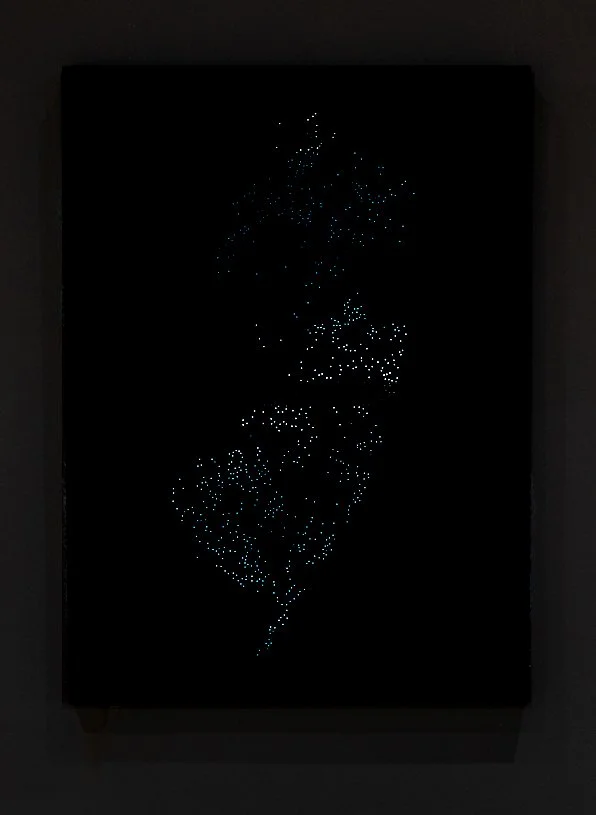
End-of-Days is a video and installation that illustrates the otherwise invisible intersections of power, labor, leisure, and aesthetics within glass production. Silica sand is the second most exploited resource in the world and one of the primary ingredients in glass. Through multiple cycles of glaciation across New Jersey, coarse sands were formed in what would eventually become known today as the Pine Barrens. These “sugar sands” were prime material for the early glass industry and continue to be mined today. In the wake of these sand mines, they leave behind alluring “blue holes” that people in the surrounding area use for recreational purposes in spite of warnings of their danger. The film End-of-Days takes place at a blue hole at the Manumuskin river preserve in Cumberland County and details how the landscape has been physically disrupted by extractive economies and how local culture shapes the way place lives in collective memory.
The term “End-of-days”, also known as “friggers” and “whimseys”, was an affectionate name for objects made by factory workers off the clock at the end of the work day. H.J. Powell in Glass-Making in England defines frigger as “a glass, made as an experiment, to test its effect, or the skill of the craftsman or boy." A central component of the installation involved the melting of an experimental, unstable glass formula made of silica sand and sodium carbonate, less its third major ingredient calcium carbonate. The result is a glass that begins to break down as soon as it's fired. End-of-day takes on dual meaning here as it refers to a world ending at the hand of extractive economies while also celebrating the imaginative possibility of endings.
Photos Courtesy of Constance Mensh