FOREVER MORE, 2018


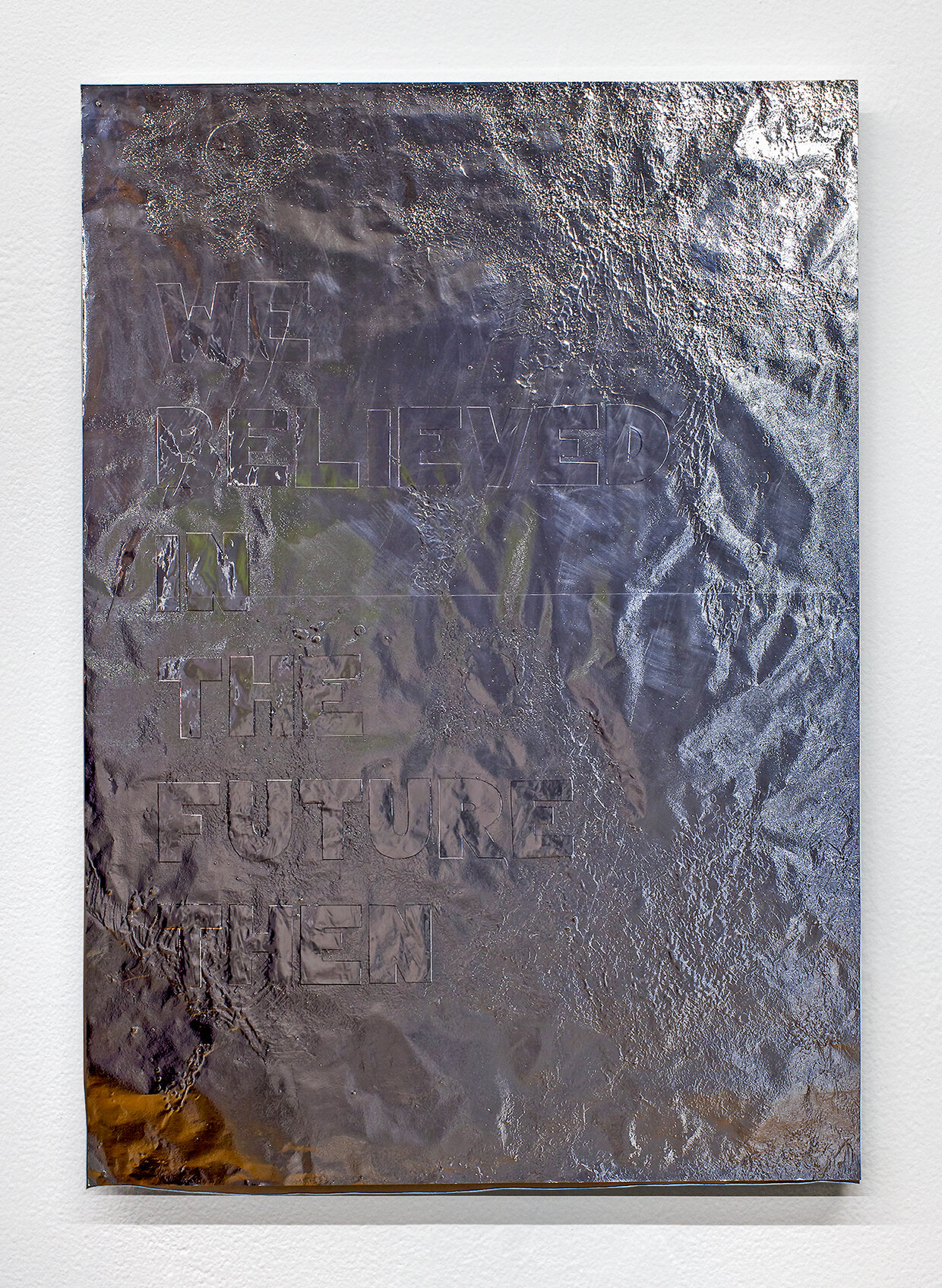
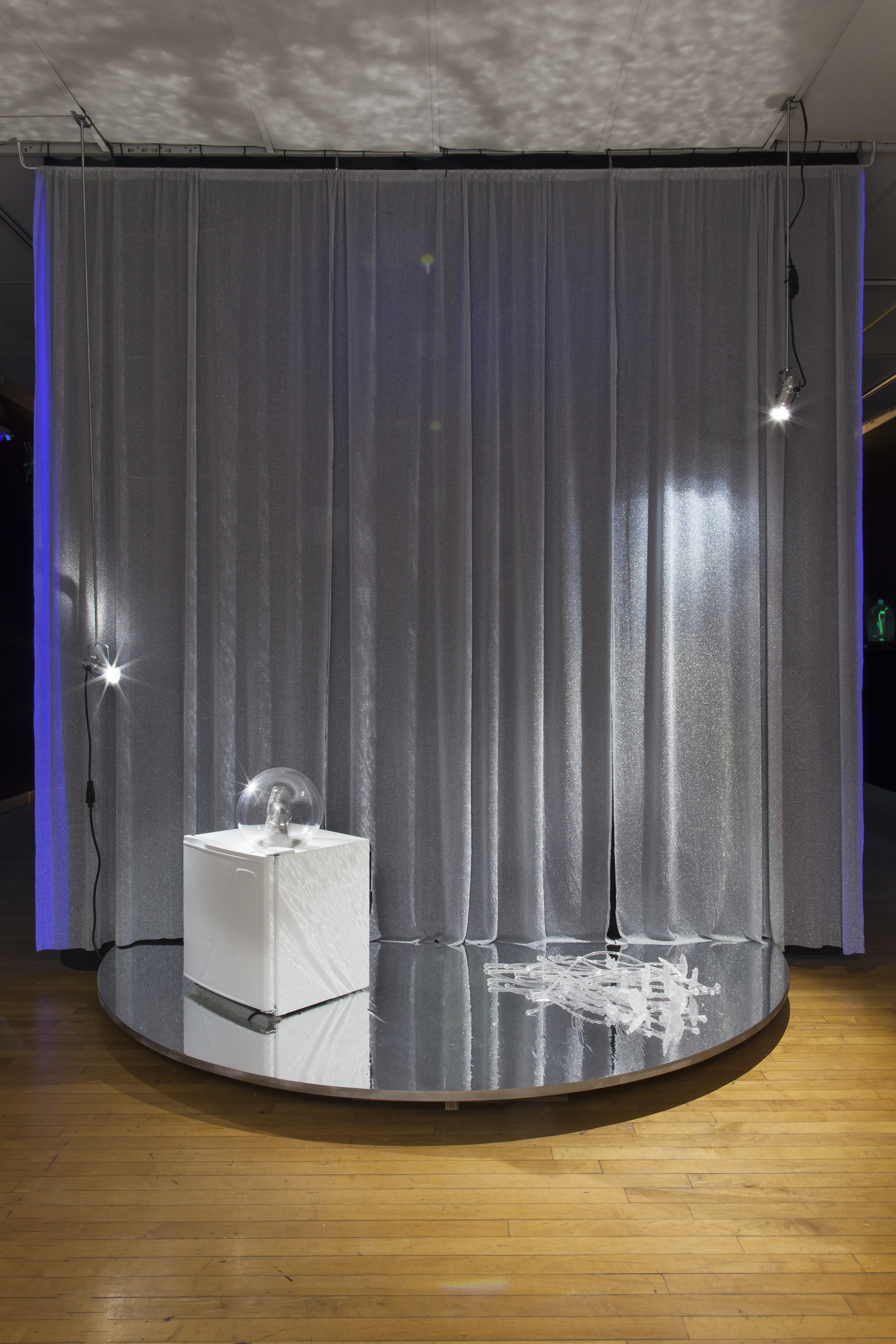


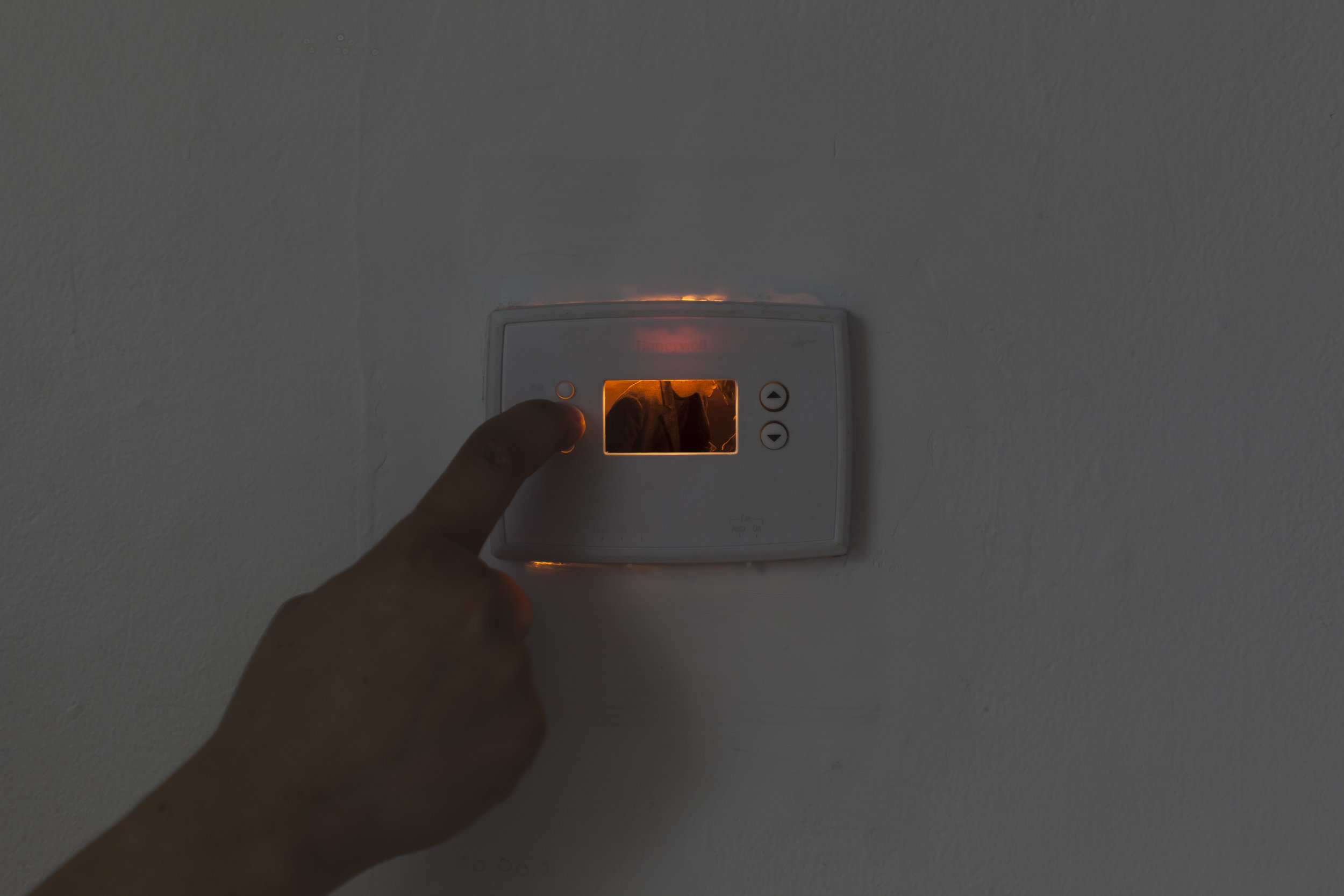
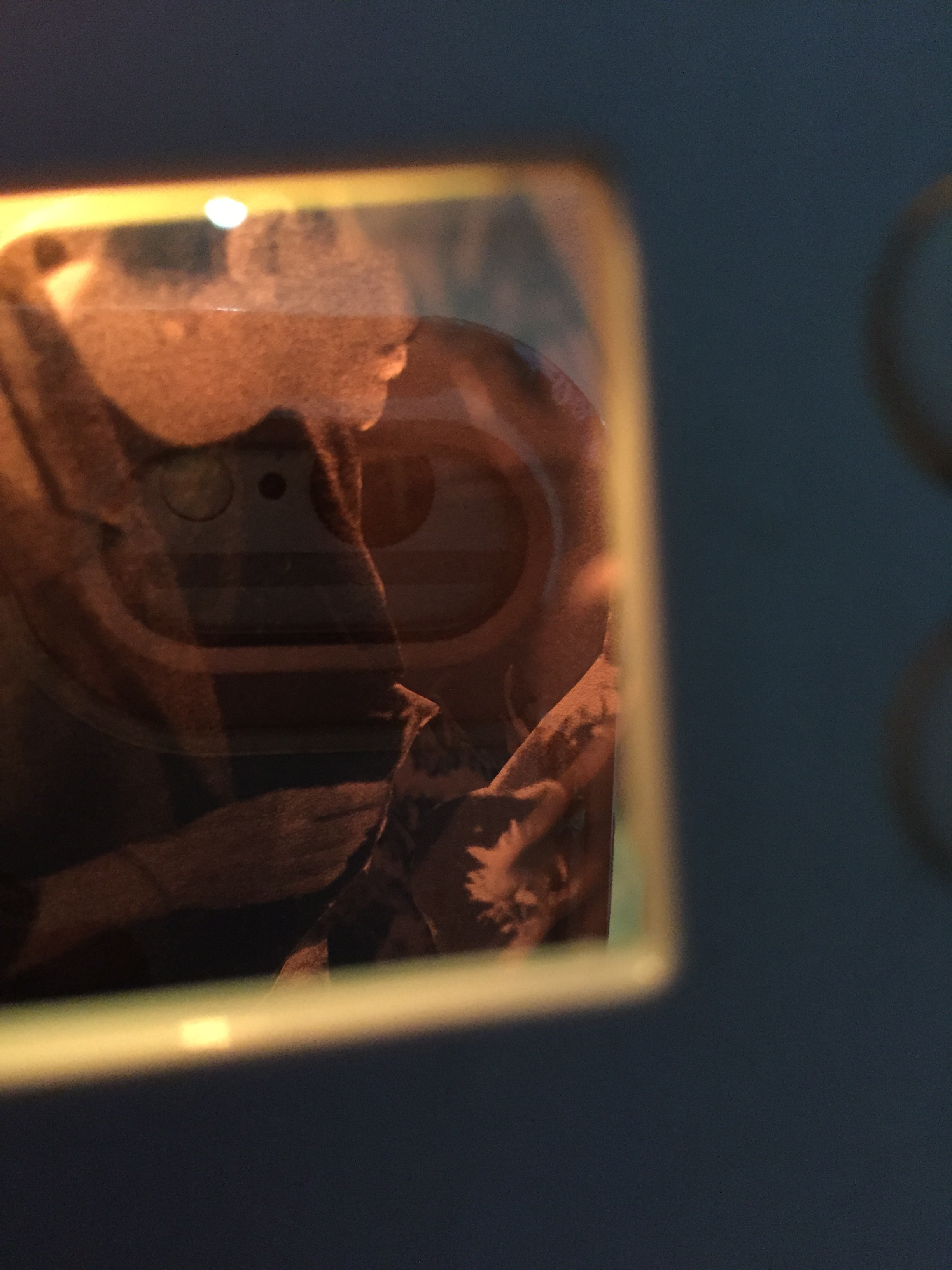


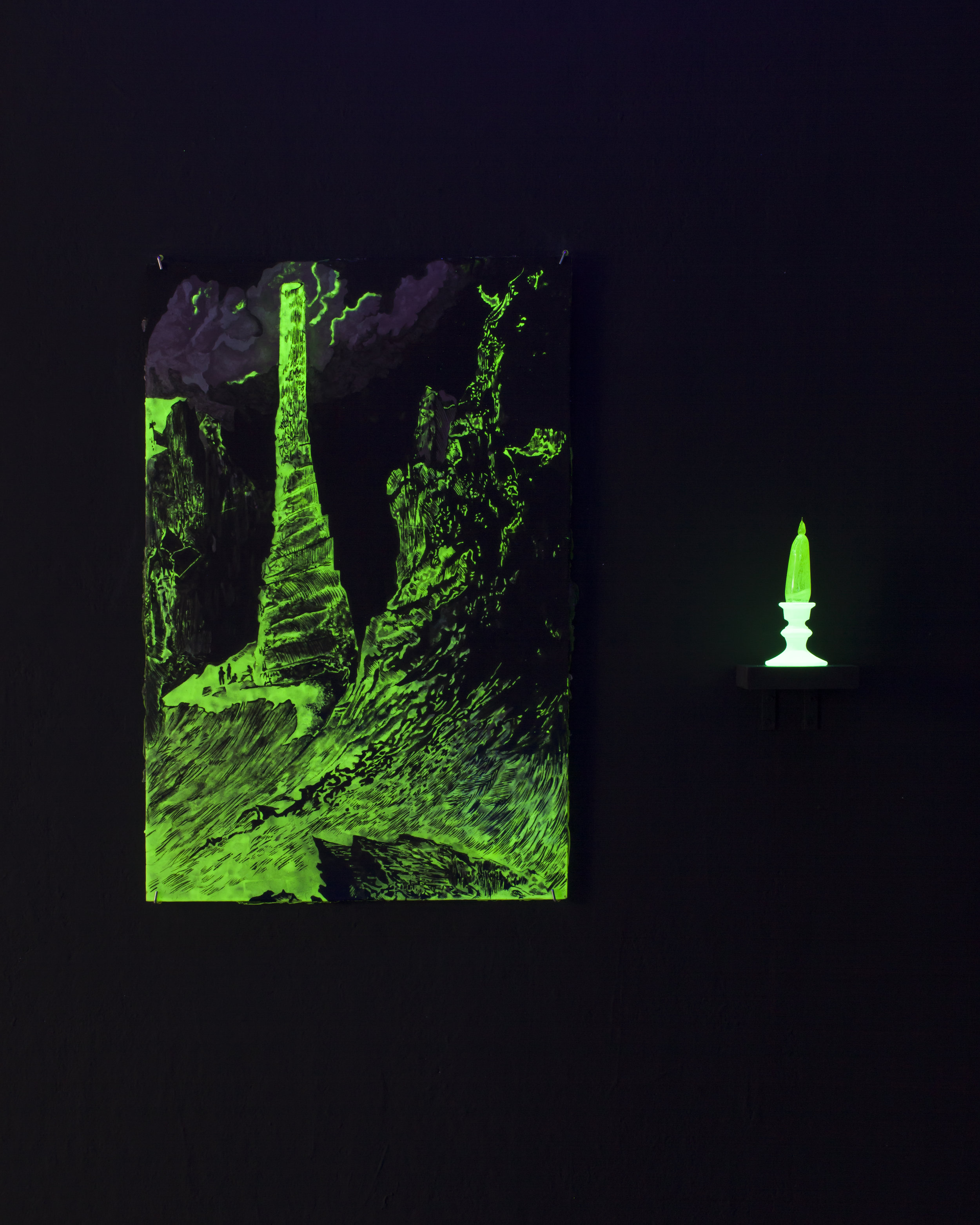

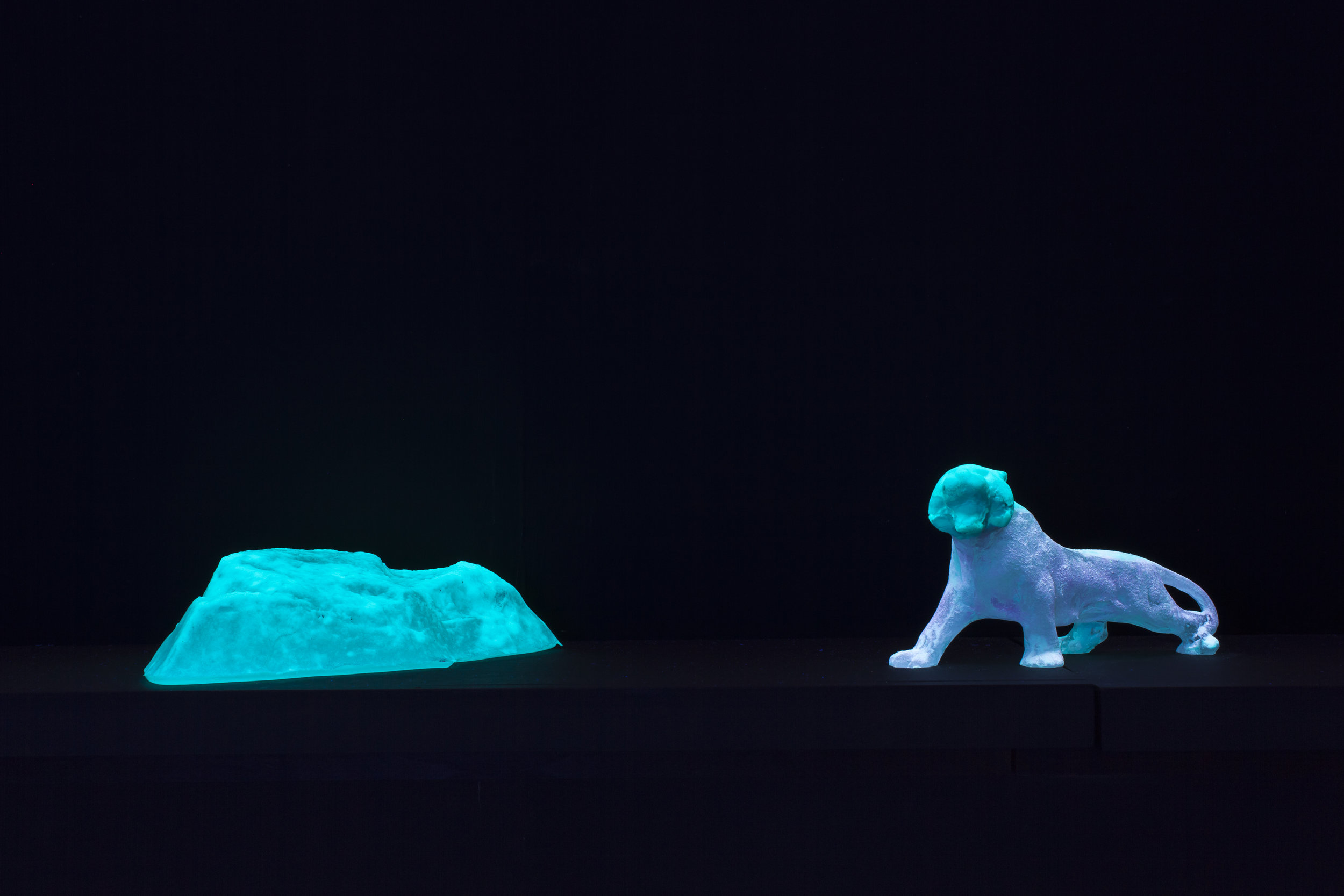

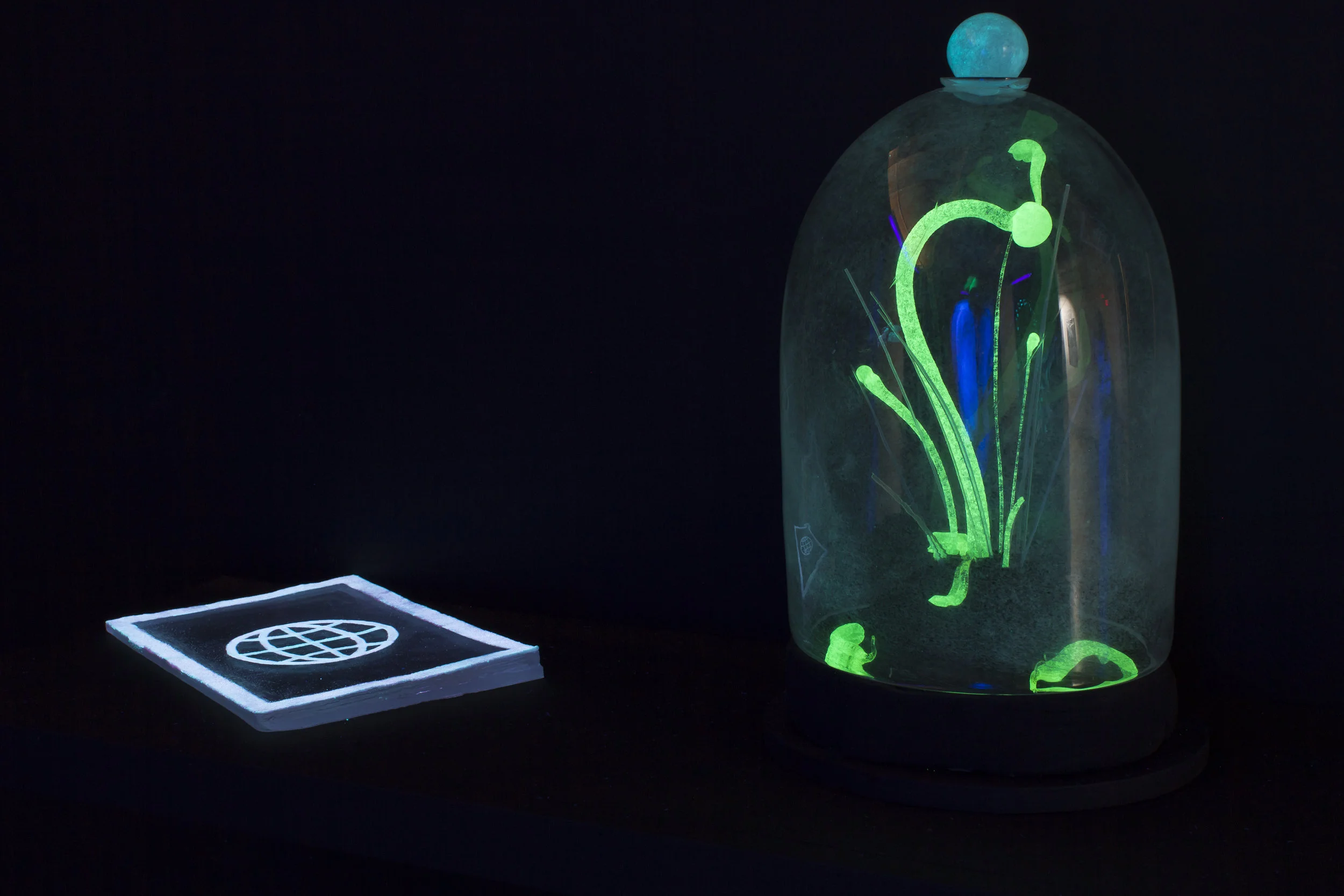

FOREVER MORE takes Frankenstein—often considered the first work of science fiction inspired by a climate-related event—as its point of departure. Using glass and everyday materials, the exhibition examines environmental privilege, the capitalist myth of endless growth and progress, and the ways in which we sustain fantasies of nature through storytelling.
Mirroring plays a central role throughout the exhibition. The installation is divided into a dark side, representing a constructed fantasy of nature, and a light side, which holds dreams and anxieties for the future together. This structure echoes the role of mirroring in Shelley’s novel: literally, when the creature first encounters his own reflection in water, and metaphorically, in the way the story reflects Shelley’s own life. Frankenstein was shaped by the “Year Without a Summer,” contemporary political upheaval, and Shelley’s personal experiences of grief and trauma.
The exhibition also draws from Love Your Monsters: Why We Must Care for Our Technologies as We Do Our Children by Bruno Latour, in which he argues that Dr. Frankenstein’s true crime was not creating life, but abandoning the being he created. At the center of the exhibition’s dark side stands Portal, an archway of glass daisies that symbolizes the threshold between the world Victor Frankenstein understood and the new reality he brought into existence by reanimating the creature. The work questions how responsibility, care, and human behavior ultimately shape the consequences of technological and scientific advancement.
Like many Romantic poets, Mary Shelley often described nature as permanent and enduring: rivers “run on forever” and glaciers move “perpetually onward.” In the novel, Victor Frankenstein repeatedly seeks refuge in nature during moments of personal turmoil, while the same landscapes remain cold and hostile to the creature. Building on this tension, FOREVER MORE challenges the Romantic ideal of nature as a fixed, universally healing force, asking instead who is allowed comfort, safety, and belonging within these imagined landscapes.
Photos Courtesy of Haigan Pearson